
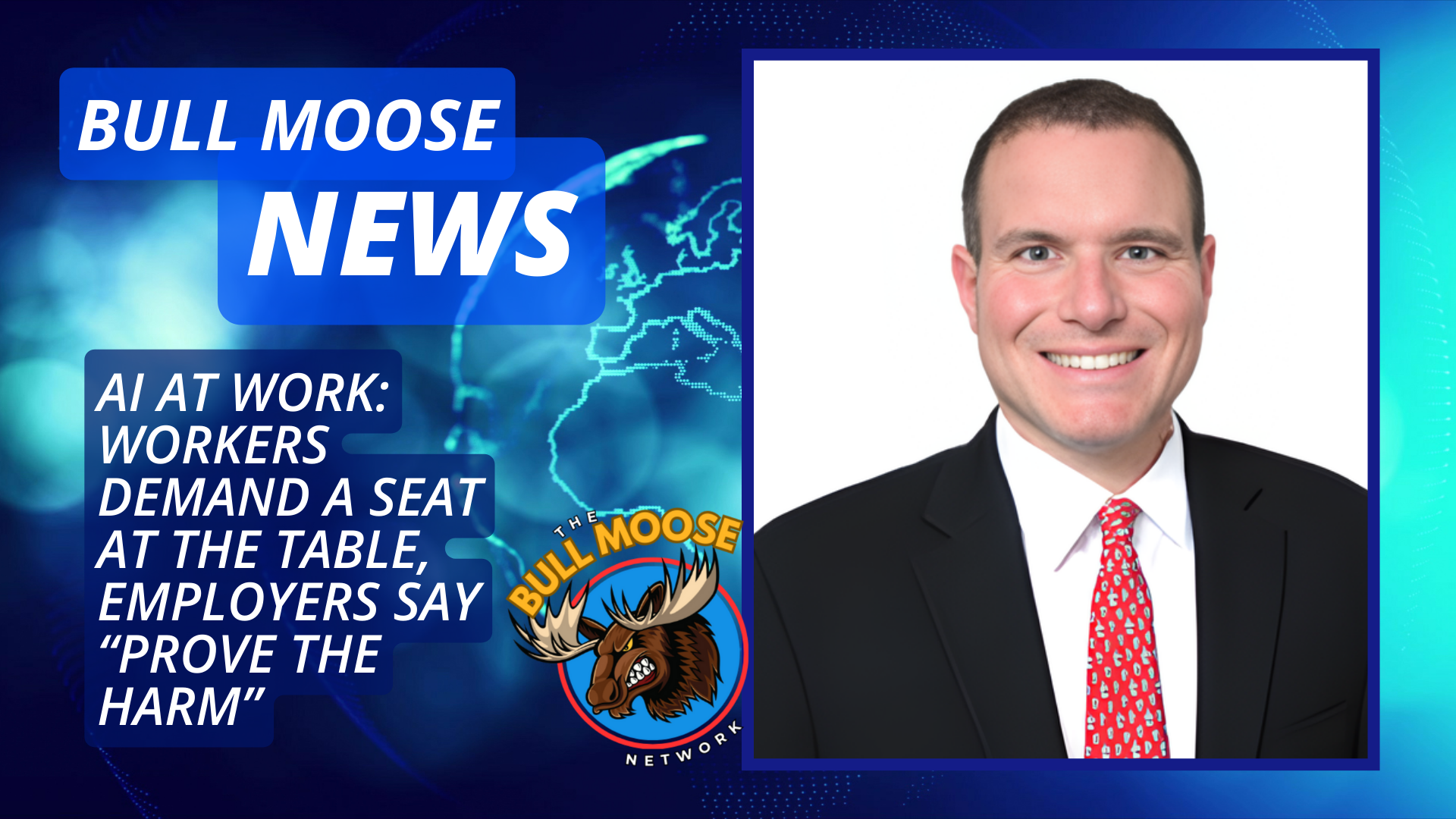
WASHINGTON — Bradford Kelley at a recent House Education and Workforce Committee hearing claimed there are “no cases” showing artificial intelligence being used to retaliate against union organizing.
Public records say otherwise.
In October 2022, National Labor Relations Board General Counsel Jennifer Abruzzo formally warned that electronic surveillance and automated management systems could interfere with workers’ Section 7 rights under the National Labor Relations Act.
“It concerns me that employers could use these technologies to interfere with the exercise of Section 7 rights under the National Labor Relations Act by significantly impairing or negating employees’ ability to engage in protected activity—and to keep that activity confidential from their employer,” said General Counsel Abruzzo.
Abruzzo said employers could use these technologies to impair or negate workers’ ability to engage in protected activity and keep that activity confidential from management. She said she plans to urge the Board to apply the law aggressively to protect workers from intrusive monitoring practices.
Federal civil rights regulators have echoed those concerns. In December 2024, the Equal Employment Opportunity Commission warned that wearable devices and biometric tracking tools could lead to illegal discrimination and retaliation against workers who engage in protected activity. The EEOC said there is no high-tech exemption from civil rights law.
And in Missouri, Amazon warehouse workers filed unfair labor practice charges alleging the company uses intrusive algorithms and surveillance systems to deter union organizing and chill protected concerted activity. The filing cites constant monitoring that workers say prevents them from communicating safely with coworkers.
These are not hypotheticals. They are documented warnings, charges, and enforcement actions from federal agencies and workers on the ground.
The technology is real. The surveillance is real. And the labor law consequences are already here.
Kelley also scoffed at workers demanding “a seat at the table,” asking, condescendingly, “What does that even mean?”
It’s not complicated.
It means workers want a say in how technologies that track them, rate them, discipline them, and replace them are deployed. It means people don’t want their livelihoods quietly hollowed out by systems designed in boardrooms they’ll never enter, justified by lawyers who will never feel the consequences. It means workers are refusing to be treated as data points in someone else’s profit model.
Pretending that the question is unclear isn’t confusion. It’s contempt.
And workers see it.
Eyes open. Voices loud.



Leave a Reply